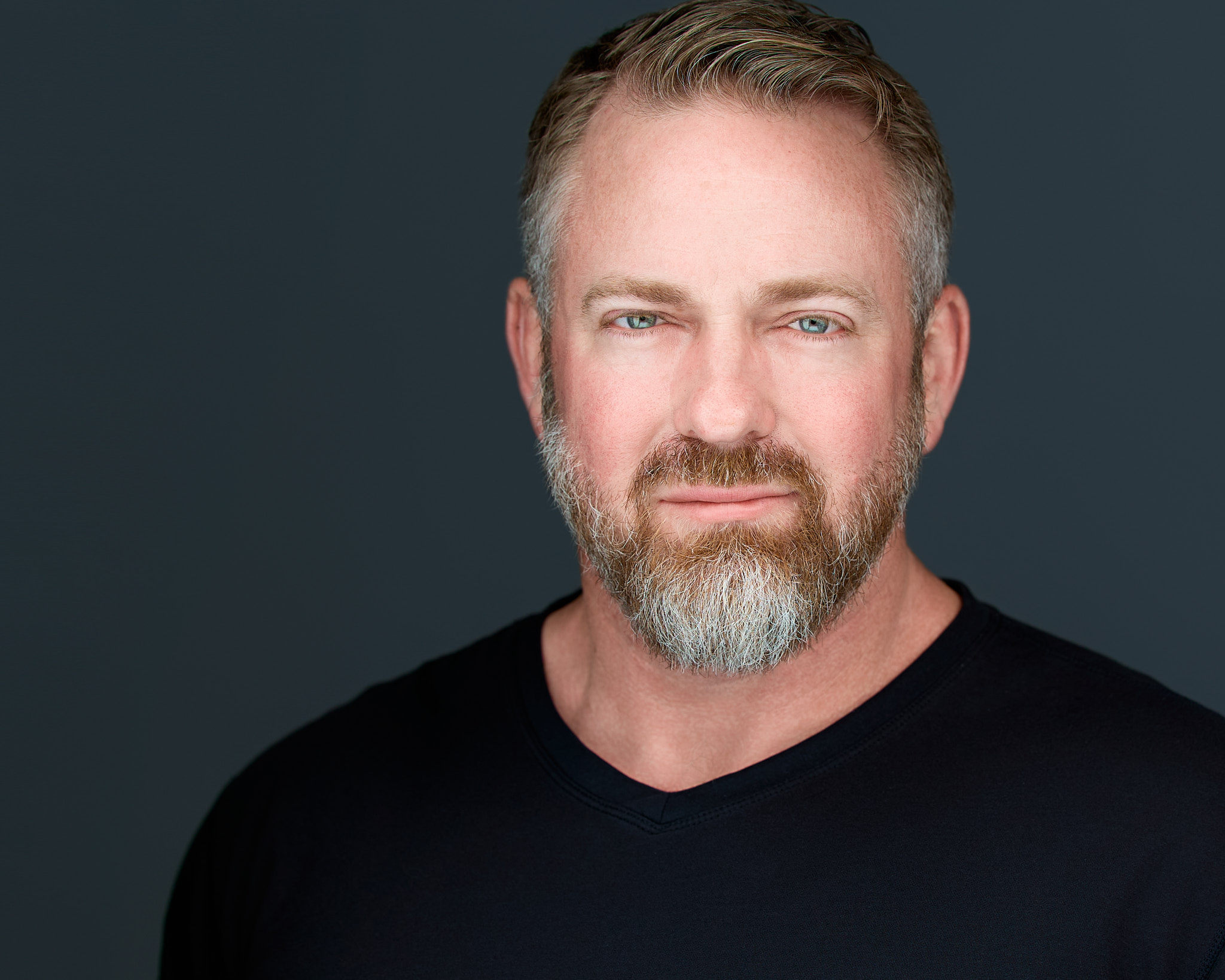
Why we built RYEHAUS.
I've had the same conversation with a lot of CEOs. It usually goes something like this.
A CEO walks out of a board meeting where the technology line on the P&L came up, as it always does. The board wants to know whether the spend is producing anything. He can speak fluently to every other line on that sheet. On this one, he has ticket counts and a vague sense that things mostly work. Then he asks:
What am I actually buying?
[ The question that started it ]He isn't my client. Another firm handles his technology. He's asking because he wants an honest read from someone with no contract on the line.
I know the honest answer. He's buying a help desk, some monitoring software, and a relationship with a firm structurally built to react. None of that is wrong. None of it is what he's actually trying to buy.
What he wants to buy is leverage. He wants technology to behave like every other line on his P&L: a cost he understands, allocated to outcomes he can name, producing returns he can defend. He wants the IT line to be a decision instead of a black box.
He gets tickets closed within SLA. That's the deliverable. That's what the model was built to ship.
After enough versions of the same conversation, the structural problem got harder to ignore.
What the model can and can't do
The traditional managed service provider (MSP) model is doing what it was built to do. It catches tickets, runs antivirus, and patches when patching happens. The operators inside those firms are usually working hard inside a structure that wasn't designed for the pace the business is moving at.
The structure was designed when the pace was different. Threats moved slower. Tools moved slower. Compliance moved slower. The shape of the relationship, ticket in, ticket out, quarterly review, monthly invoice, made sense when that was the work.
The work isn't that anymore. The threat surface compounds every quarter. The number of tools a small or mid-sized business depends on has multiplied. The decisions a CEO has to make about AI, automation, data, identity, and posture are no longer optional. The technology partner who can only field tickets and present a backwards-looking dashboard at the quarterly review is fielding the wrong game.
Across the industry, good operators run themselves ragged trying to keep up with a job the structure can't deliver. CEOs settle for less because settling is easier than rebuilding the partner relationship from scratch. Companies build their own internal IT teams not because that's the right call, but because the outside option has stopped feeling like one.
Most of my career has been on the buying side of these relationships. Executive roles across retail, consumer goods, and shopper marketing, in operations, sales, and business development. The last five years I spent on the operating side, inside an MSP, alongside people I still respect.
You can't fix this from inside the old model. The economics of break-fix and ticket-counting force a particular shape of firm: many technicians, thin margins, no time for the actual conversation. The shape is the problem.
When I left my last role, I wasn't sure what came next. I looked widely, including outside the industry: advisory roles, adjacent businesses, work that had nothing to do with technology at all. But I couldn't shake that question. The answer, when it came, came all at once: growing businesses need a different kind of technology partner, designed for the pace they move at now.
So we built it.
What growth infrastructure means
The term we use is growth infrastructure. It's not a category that existed when we started. It's not language I would have chosen if I had a marketing department to argue with. It became the term because nothing else in the existing vocabulary fit what we were actually building.
It means four things, in practice.
One. The volume work runs underneath, almost invisibly. Most Tier-1 tickets resolve in minutes because the operating layer catches the easy ones before a person is required. Most of the calls that used to come into a CEO's phone never make it that far. The help desk stops being a place clients wait.
Two. Security is the default state of the system, not an upsell. Patching, monitoring, identity, and access run continuously. The alerts that reach a client are the ones a person already looked at and decided the client should see. The CFO's cyber insurance underwriter reads the documentation in an afternoon. The auditor reads it the same way.
Three. The execution layer is built so that work moves the moment it can. Every platform in our stack is connected to every other. There are no manual handoffs to wait on, no queues to age, no excuse for an obvious next step to sit overnight. The friction that traditional MSPs accept as the cost of doing business is, structurally, removed.
Four. Because the first three layers handle the volume, the fourth layer is the conversation. We sit down with clients on a frequent cadence, not quarterly, to talk through where the business is going next. We build AI and automation roadmaps shaped around what the client is actually trying to do. We talk through posture and risk in advance, so the CEO can plan with information instead of react to alerts. The conversation gets the time it needs because the rest of the work isn't competing for it.
When all four layers run together, the IT line on the P&L stops being a black box. It starts being a decision. It starts being a lever.
A note on AI, since the question always comes up
AI is going to be the most over-promised and under-delivered technology investment of this decade for a lot of businesses. Not because the technology doesn't work. Because the foundation it's getting layered onto isn't ready.
We use AI in the operating model because the foundation is ready. We deploy AI inside client environments where the outcome is named, the data is structured for it, and the lift is measurable. We don't deploy it where it isn't, because doing so produces what the work actually produces: faster output of the same mistakes.
A CEO asking the right question about AI isn't asking, "Are you using it?" The right question is, "What number am I trying to move, and what's the smallest thing that moves it?" Build for that. Measure. Expand. Skip the theater.
Who this is for
We pick clients we can build with. The phrase we use internally is the team you marry, not the team you date. It captures something real about the engagement model. The first month of a relationship with us doesn't look like the value the relationship produces in month nine. The work compounds.
The CEOs we work with have a few things in common. They run businesses with real ambition, the kind that puts technology on the critical path whether they planned for it or not. They are done settling for a technology partner who only shows up when something breaks. They want a partner who can sit at the table when it matters and is also accountable for the runbook that runs underneath. They are willing to make a decision about who they trust with their trajectory, and they hold the people they trust to a higher standard than the industry has been delivering.
If that's you, we should talk. If we're not the right partner, we'll tell you who is. The bench in this industry is deeper than most CEOs assume, and we'd rather point you somewhere better than fake a fit.
Why now
The cost of getting this wrong is no longer abstract. The companies that are going to compound over the next five years are the ones treating technology as an advantage and engineering it accordingly. The companies that don't are going to lose ground quietly, then loudly, to competitors who didn't outwork them but did out-build them.
I'm not writing this to push urgency. The work isn't urgent. The work is patient. But the gap between businesses that are running on growth infrastructure and businesses that are running on whatever held together last year is going to widen, and the time to be on the right side of that widening is now, not after the breach or the missed quarter that makes it obvious.
We built RYEHAUS to be the partner I would have wanted to recommend to every CEO who asked me what they were buying. Now I have an answer: IT that works like a lever, not a tax.